Volume 3 Issue 2
Growth and yield of wheat crop as influenced by nitrogen levels,
previous rainy season legumes and their recycling in the gangetic
alluvial soil of West Bengal
Author(s): A. P. PATRA; P. GHOSH; A. BISWAS; S. S. NAYEK; S. K. GHOSH AND M. SAHA
Abstract: An experiment was conducted at the Instructional Farm of Bidhan Chandra Krishi Viswavidyalaya, Jaguli, Nadia, West Bengal
(India) for three consecutive years the upland of Gangetic alluvial soil (entisol) in split plot design, with rainy season crops
greengram, blackgram, soybean, groundnut, ricebean, cowpea and rice with or without incorporation of their straw/stover as
mainplot treatments; and three levels of nitrogen (0, 60 and 120 kg N ha-1) on wheat as subplot treatments. Shoot growth of
wheat was higher due to residual effect of ricebean fodder, blackgram and groundnut; LAI, LAD and CGR were higher in
ricebean and blackgram plot than rice. These parameters were improved due to incorporation of stover or nitrogen levels.
Number of effective tillers m-2 and grain spike-1 of wheat augmented in the plots of ricebean, blackgram, soybean and groundnut
over rice, and were improved due to incorporation of their stover or direct effect of N. Grain yield of wheat was the highest due
to residual effect of ricebean fodder, followed by blackgram, groundnut and soybean and was augmented due to soil
incorporation of stover or increasing levels of nitrogen.
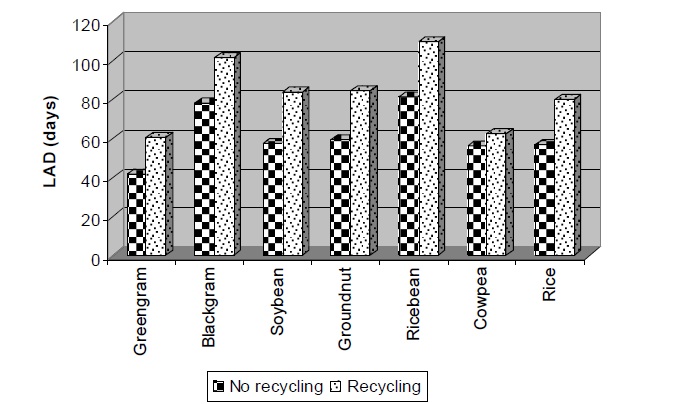
Fig 1: Effect of different treatments on LAD of wheat
Download Full Article : Click Here
